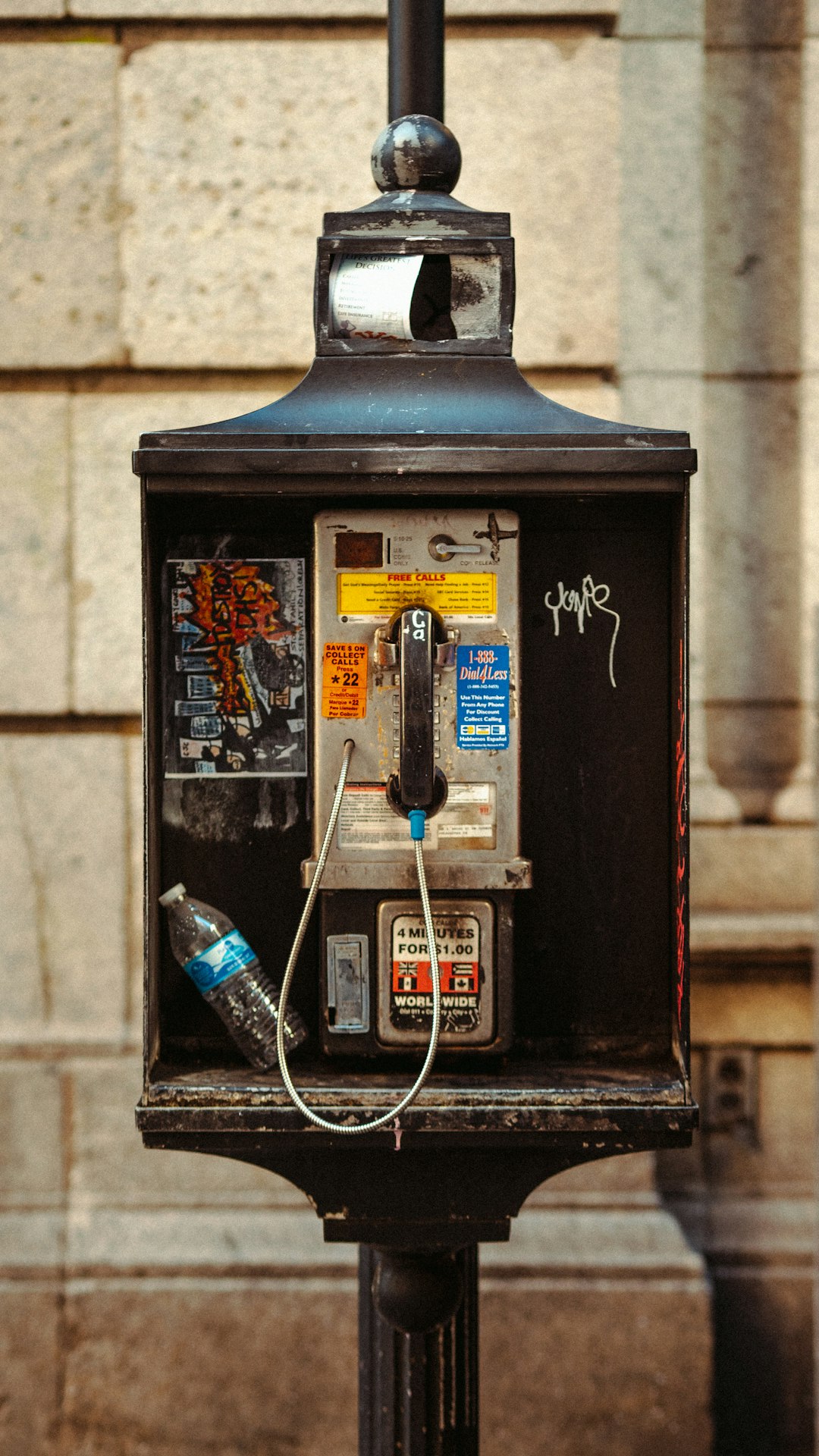
Robocalls are a growing concern in Minnesota, but residents have legal protections. Key steps include:
1. Awareness: Be cautious of unexpected calls.
2. Legal Protection: Consult a robocall lawyer Minnesota or spam call law firm Minnesota.
3. Do Not Call Registry: Register with the state's registry and federal lists.
4. Blocking Apps: Use apps to filter unwanted calls.
5. Reporting: File complaints with relevant authorities.
Specialized robocall lawyers Minnesota can guide residents through legal options, including damages for unauthorized calls under robocall laws Minnesota.
In today's digital age, robocalls have become a persistent nuisance, with millions of Americans receiving unwanted phone calls daily. Minnesota residents are no exception, facing an onslaught of automated messages from marketing firms and scammers alike. This pervasive issue not only disrupts daily life but also poses significant risks, from identity theft to financial loss. As the laws surrounding robocalls evolve, understanding how to identify and stop these calls is more crucial than ever. This article will guide you through the complexities of Minnesota's robocall laws, offering practical strategies to protect your privacy and peace of mind, with insights from experienced robocall lawyers across the state.
Understanding Robocalls and Minnesota Laws
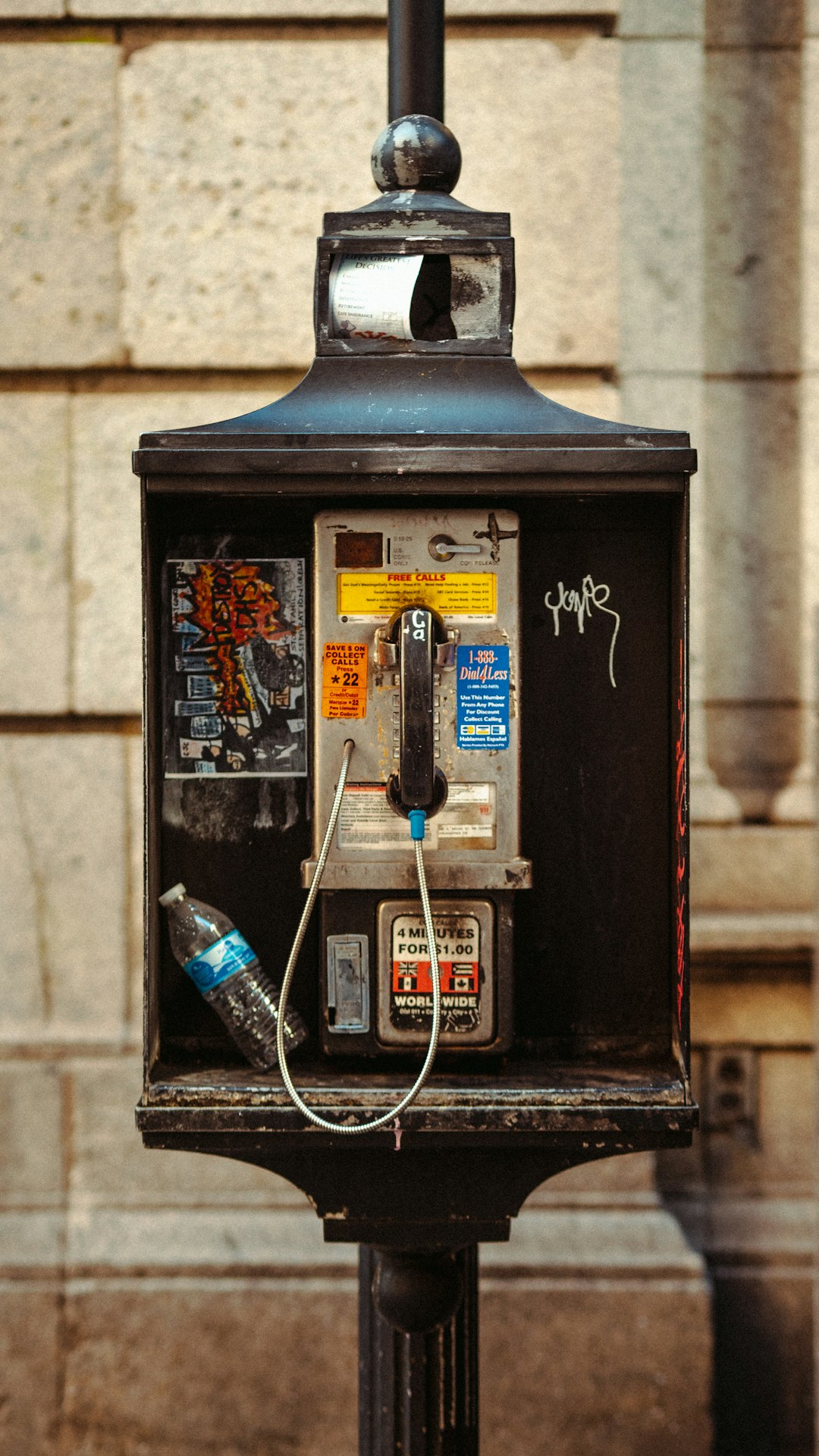
Robocalls have become a pervasive and often frustrating aspect of modern life, with millions of unwanted calls flooding Minnesota's phone lines daily. Understanding these automated messages and navigating the legal landscape surrounding them is crucial for individuals seeking to protect their privacy and block persistent robocallers. This section delves into the intricacies of robocalls and Minnesota's specific laws to empower residents with knowledge and actionable steps.
In the realm of telecommunications, a robocall refers to automated voice messages or text communications initiated en masse, often using pre-recorded or artificial voices. While some robocalls promote legitimate services, many are considered spam, intentionally targeting unsuspecting individuals. Minnesota, like other states, has enacted laws to combat this growing issue and protect its residents from intrusive and illegal robocalls. The Minnesota Spam Call Law (also known as the Do Not Call law) prohibits businesses or call centers from making automated telemarketing calls to Minnesota residents who have not provided explicit consent.
A key aspect of combating robocalls is understanding the legal protections available. The state's law firm specializing in robocall litigation and consumer rights can offer invaluable assistance to individuals facing relentless spam calls. These legal experts can guide clients through registering on the Do Not Call list, a statewide registry designed to block unwanted telemarketing messages. Furthermore, they can pursue legal action against persistent robocallers, holding them accountable for violations of Minnesota's Spam Call Law. By engaging a robocall lawyer Minnesota or spam call attorney Minnesota, residents have a powerful ally in navigating complex legal procedures and securing relief from annoying and illegal calls.
Practical steps include educating yourself about your rights, registering for Do Not Call lists at both state and national levels, and using approved blocking apps. However, for more severe cases, consulting with a specialized law firm is essential. Minnesota's robust legal framework provides avenues for residents to take action against robocallers, ensuring a safer and less cluttered communication environment.
Identifying and Stopping Unwanted Calls
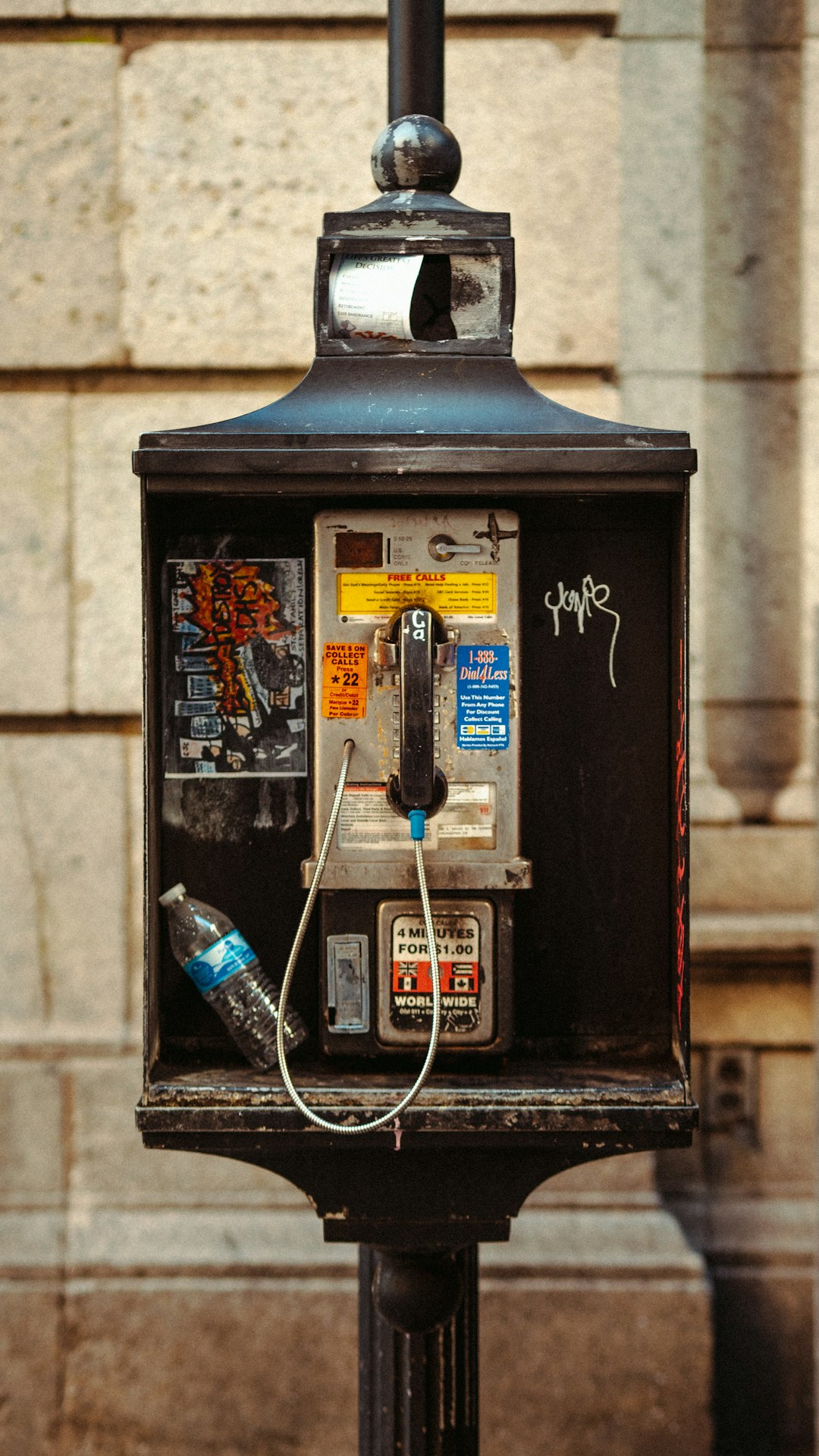
In Minnesota, as across the nation, robocalls have become a ubiquitous nuisance, with millions of unwanted calls flooding residents' phones daily. These automated telephone marketing messages, often disguised as legitimate communications, can be particularly insidious when they violate privacy and consumer protection laws. Understanding how to identify and stop these calls is crucial for safeguarding your peace of mind and legal rights.
One of the first lines of defense against robocalls is awareness. Many robocalls use common tactics like masking their numbers or using computer-generated voices to avoid detection. Be wary of unexpected calls, especially those that prompt you to press a number to be taken off a list. Legitimate companies typically follow Do Not Call regulations and respect consumer choices. If a call triggers your suspicion, verify the caller's identity by contacting them directly through known, verified channels. Minnesota law, enforced by the Attorney General's Office and local legal authorities, prohibits telemarketers from making calls using automated dialing systems or prerecorded messages unless the recipient has given explicit consent. A robocall lawyer in Minnesota or an experienced spam call law firm can guide you on how to navigate these legal protections and hold offenders accountable.
Beyond individual efforts, collective action through consumer complaints is essential. Reporting unwanted calls to regulatory bodies like the Federal Trade Commission (FTC) helps build cases against persistent violators. The FTC tracks robocall trends and works with state attorneys general to enforce federal laws like the Telemarketing Sales Rule (TSR). In Minnesota, a robust Do Not Call law further safeguards residents from intrusive marketing calls. When faced with relentless robocalls, consult a robocall attorney in Minnesota who specializes in consumer protection law. They can provide tailored advice and represent your interests in legal actions against persistent spammers, ensuring that your rights are upheld and unwanted callers are held responsible for their aggressive marketing tactics.
Legal Options for Victims in Minnesota
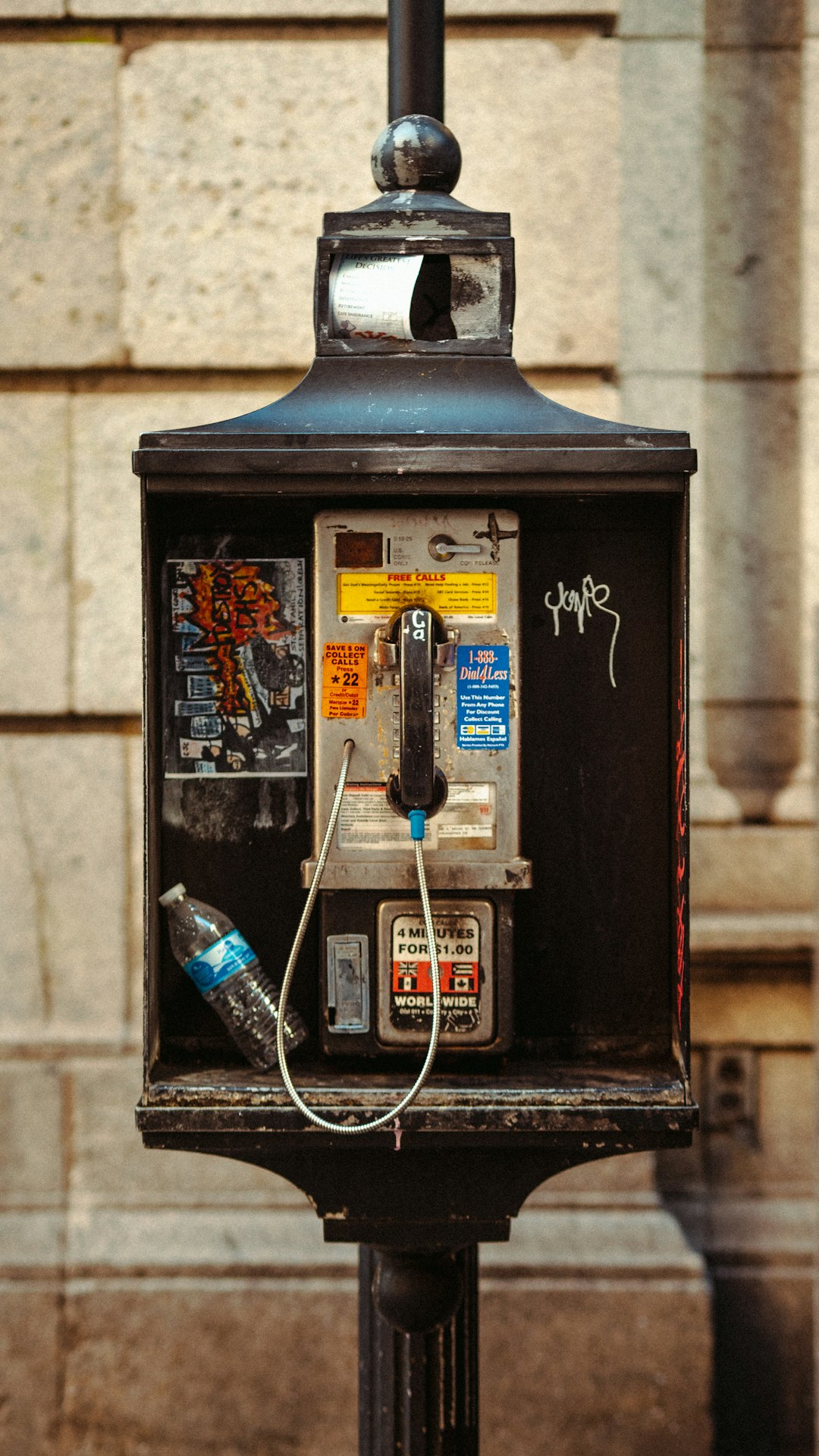
In Minnesota, as across the nation, robocalls have become a persistent and intrusive nuisance. What starts as an automated phone call marketing a product or service can quickly escalate into a legal issue for victims. Fortunately, individuals affected by these unwanted calls possess several robust legal options to protect themselves.
Minnesota has stringent laws in place to combat robocall and spam activities. The state's Do Not Call Registry, managed by the Minnesota Public Utilities Commission (MPUC), allows residents to opt-out of most automated telemarketing calls. Moreover, Minnesota law prohibits businesses from using automatic dialers to make calls without prior express consent. Individuals who have received harassing or unwanted robocalls can file a complaint with the MPUC, which has the authority to investigate and take legal action against violators.
Victims of robocall fraud may seek redress through legal channels by consulting a robocall lawyer Minnesota or spam call attorney Minnesota. These experts are equipped to navigate the complexities of state and federal telecommunications laws. For instance, the Telephone Consumer Protection Act (TCPA) at the federal level provides substantial damages for unauthorized calls, including those originating from automated dialers. A robocall lawyer Minnesota can help individuals recover losses, block future calls, and send a clear message to perpetrators that such activities will not be tolerated.
In addition to legal remedies, consumers can empower themselves by staying informed about their rights and taking proactive measures. Keeping one's contact information private, using call-blocking apps, and registering for the National Do Not Call Registry are practical steps. By combining individual vigilance with strong legal frameworks, Minnesota residents can create a safer environment from robocall intrusions and ensure that their privacy is respected.
How to File a Complaint with Do Not Call Firms
In Minnesota, like many states, robocalls and spam calls are a persistent nuisance, with thousands of residents receiving unwanted phone communications daily. Fortunately, several effective methods exist to combat this issue, one of which is filing a complaint with designated Do Not Call firms. These entities play a crucial role in protecting consumers' rights under the state's robust Spam Call laws.
Minnesota residents can harness the power of these firms by submitting detailed complaints about robocalls and spam texts they receive. When filing a complaint, it's essential to provide as much information as possible, including the caller's phone number, the date and time of the call, and a description of the message or interaction. This data is invaluable in tracking down the source and building cases against violators. Many Do Not Call firms offer user-friendly online platforms for submitting complaints, ensuring convenience and accessibility.
The impact of collective action through these firms cannot be overstated. By reporting robocalls consistently, individuals contribute to a broader effort to identify and penalize non-compliant call centers and telemarketers. Moreover, this process serves as a deterrent for potential violators, who may refrain from making such calls in Minnesota due to the risk of legal consequences. For those facing relentless robocalls or seeking guidance on their rights, consulting with a robocall lawyer or attorney specializing in Spam Call laws in Minnesota is advisable. Legal experts can offer tailored advice, ensuring residents understand their protections and available remedies under state and federal regulations.