Political robocalls are a growing concern in Minnesota elections, prompting the need for legal intervention when state laws are violated. Voters can take practical steps like registering for the National Do Not Call Registry and reporting suspicious calls. Robocall lawyers Minnesota specialize in defending citizens against abusive political calls, leveraging state and federal communication laws. Violations result in substantial fines for campaigns. A comprehensive approach includes technological solutions, legal strategies, and collaborative efforts to significantly reduce robocalls during elections, enhancing voter experiences and reinforcing fair democratic processes.
Political robocalls have become a significant concern in Minnesota elections, inundating voters with automated messages that can sway opinions and distort the democratic process. These unwanted calls often violate state laws and infringe on individual privacy rights, with no easy way for citizens to opt out. In this authoritative guide, we'll delve into the intricacies of Minnesota's robocall laws, providing practical insights for both voters and robocall lawyers Minnesota alike. By exploring legal avenues and understanding the regulations, we aim to equip readers with the knowledge needed to combat these intrusive calls and preserve the integrity of our elections.
Understanding Political Robocalls in Minnesota Elections
Political robocalls have become an increasingly common—and frustrating—phenomenon in Minnesota elections. These automated calls, often promoting or opposing candidates, can inundate voters' phones, leading to a distorted political discourse and eroding public trust. Understanding the nature of these calls is the first step in combating their negative impact.
In Minnesota, political robocalls are regulated by state laws that govern telemarketing practices, including the Do Not Call Registry. The Minnesota Attorney General's Office plays a pivotal role in enforcing these laws, ensuring that political campaigns adhere to ethical communication standards. However, despite regulatory efforts, the sheer volume of robocalls can be overwhelming. According to a recent study, Minnesota voters reported receiving an average of 3.5 political robocalls per election cycle, with some individuals experiencing much higher rates.
A key aspect to grasp is that these calls are often legal when initiated by political campaigns themselves. They must comply with specific rules, such as providing a way for recipients to opt out and including accurate identification information. The challenge arises when third-party organizations, sometimes referred to as "dark money" groups, use robocalling services to make unidentifiable or misleading calls, evading campaign finance regulations. In such cases, individuals who feel their rights have been violated can consult a robocall lawyer Minnesota or spam call law firm Minnesota for legal advice and potential action under the state's Spam Call laws. By understanding the legal framework, voters can better navigate their options when dealing with unwanted political calls.
Practical steps include registering for the National Do Not Call Registry, though its effectiveness against political calls may be limited. Additionally, many robocall attorneys Minnesota recommend using call-blocking apps and adjusting phone settings to minimize interruptions. Educating oneself about campaign finance laws and reporting suspicious calls to relevant authorities can also contribute to a more transparent and accountable political landscape in Minnesota elections.
Evaluating Legal Options: Robocall Lawyer Minnesota
Political robocalls have become a pervasive issue in Minnesota elections, often clogging phone lines and sowing confusion among voters. While many state laws exist to mitigate these calls, such as the Do Not Call registry and specific regulations targeting political campaigns, there are times when legal action is required to stem the flow of unwanted political messages. This is where a robocall lawyer Minnesota comes into play.
A robocall attorney Minnesota specializes in navigating the complex web of state and federal communication laws to protect citizens from abusive or misleading political robocalls. They can help individuals and organizations understand their rights under the Telephone Consumer Protection Act (TCPA) and similar state-level spam call laws, which prohibit automated calls without prior consent. For instance, a Minnesota resident who has consistently opted out of political robocalls but continues to receive them may have a case against the offending campaign or telecommunications company.
Legal options for addressing political robocalls in Minnesota include filing a complaint with the Federal Communications Commission (FCC) and taking civil action through litigation. A robocall lawyer Minnesota can guide clients through these processes, providing expert counsel tailored to their specific situation. They may also negotiate settlements on behalf of clients who have suffered economic harm due to repeated illegal robocalls. By holding offenders accountable, these legal actions not only stop the nuisance but also serve as a deterrent to future violations, ensuring that Minnesota elections remain fair and accessible for all eligible voters.
Navigating Spam Call Laws: Do Not Call Firms in MN
Navigating Spam Call Laws: Do Not Call Firms in Minnesota
In the fight against political robocalls, understanding and adhering to the state's spam call laws is a crucial step for candidates and campaign organizations. Minnesota has stringent regulations aimed at curbing unwanted phone calls, including political robocalls, through its Do Not Call firms. A robocall lawyer Minnesota or attorney specializing in this area can offer invaluable guidance on navigating these laws effectively.
The Minnesota Do Not Call Law, enforced by the Minnesota Attorney General's Office, empowers residents to register their phone numbers with a state-run list, effectively blocking calls from telemarketers and political campaigns alike. This law mirrors federal guidelines but goes further in protecting citizens from intrusive robocalls. As of 2022, Minnesota had over 4 million registered numbers on the Do Not Call list, demonstrating the state's commitment to preserving privacy.
Violation of these laws can lead to significant penalties for political campaigns, including fines and legal action. For instance, a recent case involved a candidate whose campaign was found guilty of making robocalls to registered voters without proper authorization, resulting in a substantial fine. This serves as a stark reminder of the importance of compliance. Expert advice from a robocall attorney Minnesota can help campaigns steer clear of such pitfalls by ensuring calls are made with explicit consent and according to state-mandated guidelines.
To ensure compliance, political organizations should adopt best practices, such as obtaining verifiable voter rolls, using opt-in mechanisms for call recipients, and providing an easy way to opt out of future calls. Regular training for campaign staff on spam call laws and the importance of respecting individual privacy can also mitigate risks. By prioritizing these measures, campaigns can effectively communicate their messages while respecting Minnesota residents' right to peace and quiet in their homes.
Implementing Effective Strategies to Stop Political Robocalls
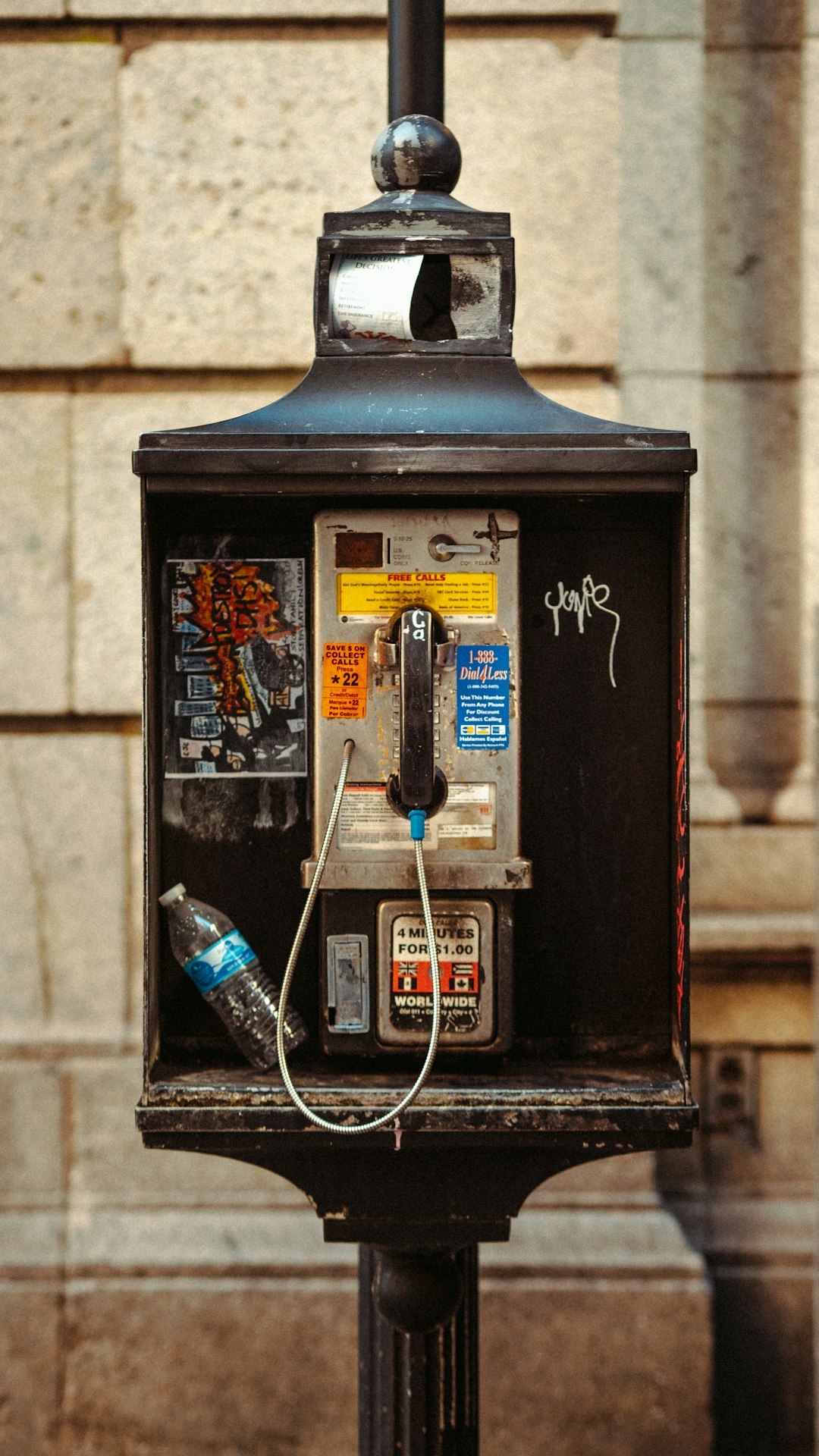
Political robocalls have become a ubiquitous yet unwanted aspect of modern elections in Minnesota. With advancements in technology, political campaigns increasingly rely on automated phone calls to reach voters, often leading to frustration among recipients who face an overwhelming volume of spam calls. This pervasive issue not only annoys residents but also undermines the integrity of the electoral process. To combat this, a multifaceted approach is required that combines technological solutions, legislative efforts, and legal strategies.
One effective strategy involves implementing sophisticated call-blocking technologies tailored to identify and filter political robocalls. Many modern phone networks and apps now offer built-in call-screening features that can automatically block or flag suspicious calls, including those from known robocall centers. Moreover, individuals can install dedicated apps designed specifically to combat robocalls, enhancing their ability to manage and control incoming calls during high-profile election periods.
Legal interventions play a crucial role in curbing political robocalls. Minnesota's Do Not Call laws provide a solid legal framework for citizens to assert their privacy rights against unwanted phone solicitation, including political robocalls. Individuals who experience repeated or harassing robocalls can file complaints with the Minnesota Attorney General's office, which has the authority to investigate and take legal action against violators. Robocall lawyers in Minnesota and spam call law firms are increasingly specializing in these cases, utilizing the state's robust legal protections to hold campaigners accountable for violating consumer privacy rights.
To ensure maximum effectiveness, a collaborative effort between technology developers, legislators, and legal professionals is essential. By combining cutting-edge call-blocking technologies with stringent legal enforcement, Minnesota can significantly reduce political robocalls during elections. This not only improves the voter experience but also reinforces the state's commitment to fair and transparent democratic processes.