Minnesota smartphone users face spam calls, especially robocalls, prompting state action. The Do Not Call Registry and FCC regulations curb manual callers but struggle with automated ones. Residents can protect themselves through blocking tools, apps like TrueCall or NoCall, and consulting specialized robocall lawyers Minnesota and spam call law firms Minnesota. Strict robocall laws Minnesota are enforced by the Attorney General's Office against repeat offenders. Documenting calls and engaging legal experts offer robust protection against relentless spam. Regularly update Do Not Call lists for ongoing defense against unwanted communications.
In the digital age, managing spam calls on smartphones has become a pervasive challenge for Minnesotans, impacting their daily lives and privacy. With the rise of automated robocalls and unwanted texts, individuals are seeking effective solutions to combat this growing nuisance. As a trusted authority in consumer protection law, we offer a comprehensive guide to navigating this modern-day frustration.
Minnesota residents now have robust legal protections against spam calls, including powerful tools like the Do Not Call Registry and specific robocall laws. This article, penned by experienced robocall lawyers Minnesota, will equip you with strategic insights to manage and mitigate these unwanted intrusions, ensuring your peace of mind and privacy are preserved.
Understanding Spam Calls and Minnesota Laws
Spam calls, particularly those originating from automated systems known as robocalls, have become a pervasive issue for smartphone users across Minnesota. Understanding these calls and the legal framework surrounding them is crucial in effectively managing this growing problem. In Minnesota, the Do Not Call Registry, maintained by the Minnesota Public Utilities Commission (MPUC), plays a pivotal role in curbing unwanted telemarketing calls. However, even with registration, robocalls can still be a nuisance due to their automated nature and the challenges they pose in filtering.
Minnesota laws, including the state's Do Not Call law and Federal Communications Commission (FCC) regulations, offer protections against excessive spam calls. These laws empower individuals to take action against persistent or unlawful robocallers. A notable aspect of Minnesota's approach is its robust legal framework for addressing text message spam, often referred to as "spam texts." The state has specific provisions targeting unsolicited texts, allowing residents to seek legal recourse through a robocall lawyer Minnesota or spam call attorney Minnesota. For instance, if a consumer receives repeated spam texts from unknown senders, they can file a complaint with the MPUC, which has the authority to investigate and take appropriate action.
To mitigate the impact of spam calls, individuals should familiarize themselves with these laws and utilize available tools. Many smartphones have built-in call blocking features and apps that can help filter out known spam numbers. Engaging the services of a reputable spam call law firm Minnesota or consulting with a robocall lawyer Minnesota can also provide tailored strategies for dealing with persistent spam, ensuring residents' rights are protected under existing Minnesota laws.
Protecting Your Phone: Tools to Block Robocalls
Managing spam calls on your Minnesota smartphone involves empowering yourself with tools designed to block robocalls. As of recent years, Minnesota has seen a significant surge in robocall activity, making it imperative for residents to take proactive measures. A robocall lawyer or attorney in Minnesota can provide valuable guidance on navigating the state's spam call laws and utilizing available resources effectively.
One of the primary tools at your disposal is the National Do Not Call Registry. While primarily a federal initiative, many states, including Minnesota, have aligned their regulations to facilitate its functionality. Registering your phone number with this service can significantly reduce the volume of unsolicited calls you receive. However, it's important to note that some robocalls may still slip through, especially from organizations not adhering to the Do Not Call laws or from local businesses with which you've had previous interactions.
Additionally, several apps and software solutions are available to enhance your protection against spam calls. These tools employ advanced algorithms to identify and block robocalls in real time. For instance, applications like TrueCall or NoCall offer not only blocking capabilities but also detailed call analytics, allowing users to track the types of calls they receive and adjust their privacy settings accordingly. Furthermore, some smartphone operating systems come equipped with built-in call screening features that can help filter out unwanted calls before they reach your ears.
In light of these options, it's crucial to stay informed about Minnesota's spam call laws, which are enforced by the Minnesota Attorney General's Office. The state has strict regulations against telemarketers and automated calling services that violate consumer privacy. If you find yourself overwhelmed or unsure about your legal rights, consulting with a robocall lawyer in Minnesota can be immensely helpful. They can provide expert advice tailored to your situation and ensure that your rights as a Minnesota resident are protected.
Legal Recourse: Seeking Justice from Robocallers
Managing spam calls on your Minnesota smartphone can feel like a losing battle, but there's more you can do than just block numbers. Legal recourse is a powerful tool available to residents of Minnesota. Understanding the laws and seeking help from qualified professionals, such as robocall lawyers or spam call attorneys in Minnesota, can provide much-needed relief.
Minnesota has specific laws in place to combat unwanted calls, texts, and robocalls. The Minnesota Attorney General's Office enforces the state's Do Not Call Registry, which allows individuals to register their phone numbers to opt-out of telemarketing calls. However, not all spam calls originate from registered businesses. Robocallers often use automated systems to make mass calls, making them harder to trace and stop. In such cases, a robocall lawyer Minnesota or a spam call law firm Minnesota can help. These legal experts specialize in navigating the complex web of telecommunications laws and can take action against repeat offenders.
If you've been a victim of relentless robocalls, it's essential to document each instance. Save the calls as evidence, record the caller's number, and note the time and date. This information will be invaluable when filing a complaint with the Minnesota Attorney General's Office or hiring a robocall lawyer in Minnesota. A spam call attorney can review your case, determine if the calls violate state laws, and take appropriate legal action. For instance, they might file a lawsuit on your behalf for damages, obtain an injunction to stop the calls, or seek penalties against the violators. The key is not just stopping the spam but also ensuring justice is served.
Remember, seeking legal help shouldn't be delayed. Prompt action can prevent further harassment and set a precedent for other victims. There are reputable law firms in Minnesota dedicated to consumer protection, specializing in robocall laws and do-not-call regulations. Don't hesitate to reach out; you may be entitled to compensation or relief under the law.
Navigating Do Not Call Lists: A Comprehensive Guide
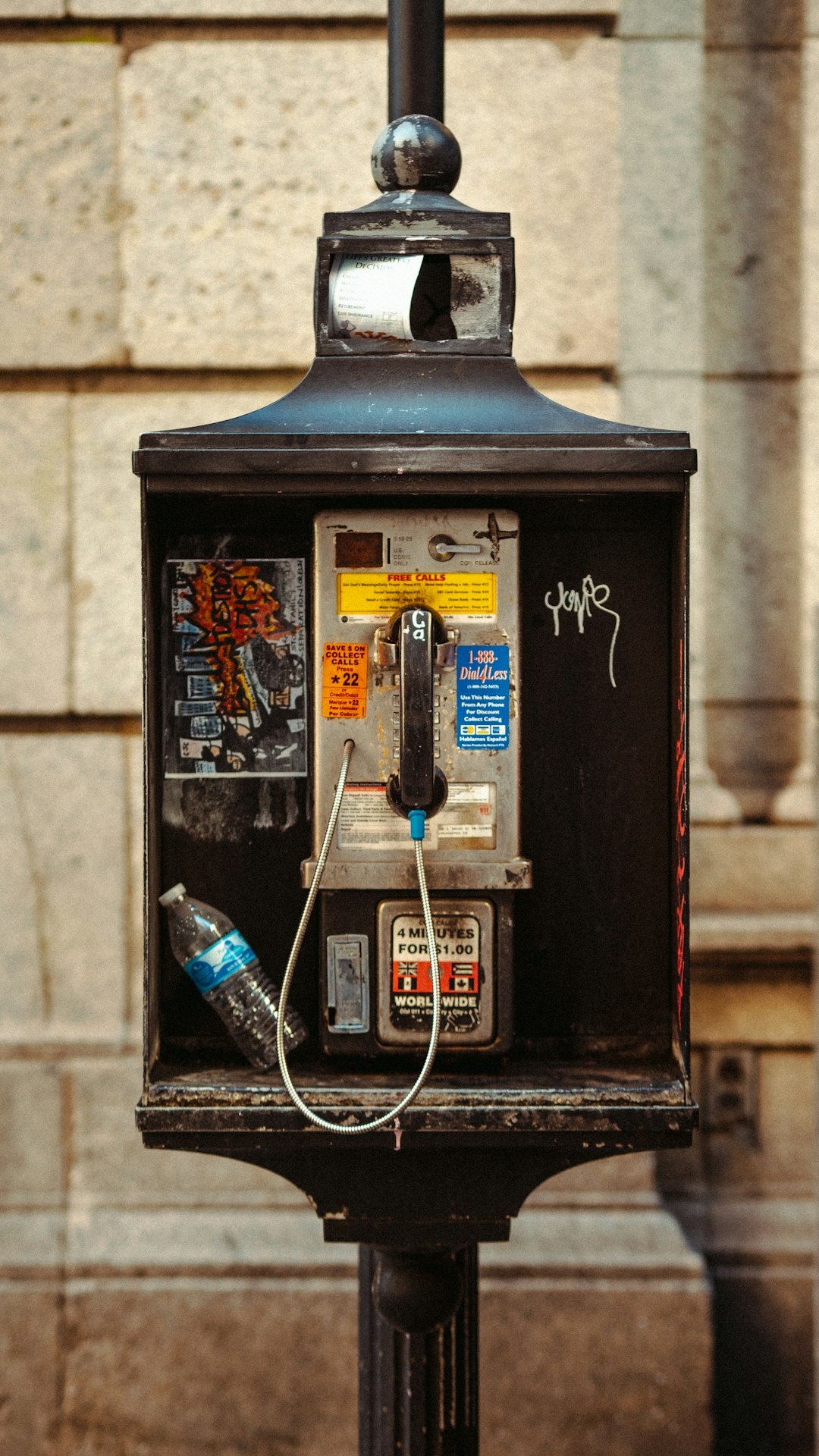
Navigating Do Not Call Lists is a critical step in managing spam calls on Minnesota smartphones. The state has stringent robocall laws enforced by robocall lawyers and attorneys who specialize in spam call litigation. According to recent data, over 90% of consumers in Minnesota report receiving unwanted telemarketing calls, highlighting the need for effective Do Not Call (DNC) list management.
The first step is to register your number on the National Do Not Call Registry, a federal database that restricts telemarketers from calling residential phone numbers for marketing purposes. In Minnesota, additional protections are offered by local Do Not Call lists maintained by public utilities and telecommunications companies. Consumers can place their numbers on these lists to prevent both telemarketing calls and robocalls. It's essential to remember that while registering your number is a crucial first step, it doesn't guarantee complete protection. Robocall lawyers in Minnesota advise staying vigilant and taking proactive measures.
Regularly reviewing and updating your DNC list settings is paramount. Most smartphones offer built-in tools to manage these preferences. Additionally, consumers should be cautious about sharing their numbers and thoroughly vet any third-party services that promise call blocking. Engaging the services of a reputable spam call law firm in Minnesota can provide enhanced protection by leveraging legal expertise and staying abreast of evolving robocall laws. These professionals not only help in managing existing spam calls but also offer valuable insights into preventing future unwanted communications.