Robocalls are a significant problem in Minnesota, with 75% of residents receiving unsolicited calls annually. The state's high landline and wireless coverage make it an attractive target for scammers. Minnesota has a strong legal framework, including the Spam Call law (Minnesota Statute Section 325F), Do Not Call Registry, and strict prosecution of violators.
Robocall lawyers and spam call law firms in Minnesota specialize in blocking numbers, reporting scams, and legal action against persistent callers. They guide citizens under existing robocall laws, offering proactive solutions. Community efforts include education, advocacy, and stricter enforcement, empowering residents to protect their privacy and reduce nuisance calls. Reporting suspicious calls and registering with the Do Not Call Registry significantly diminishes call volumes.
In the digital age, robocalls have become a pervasive nuisance, with millions of Minnesotans facing unwanted spam calls daily. These automated messages, often disguised as legitimate businesses or government entities, disrupt peace of mind and pose privacy risks. The proliferation of these calls has prompted communities across Minnesota to take action, leveraging legal expertise and innovative strategies to combat this growing issue. This article delves into the collaborative efforts aimed at halting robocalls, examining the role of robocall lawyers in Minnesota, the state's robust spam call laws, and the collective actions of Do Not Call law firms.
Understanding Robocalls: The Minnesota Perspective
Robocalls have become a ubiquitous nuisance in Minnesota, much like across the nation, with an estimated 3 billion automated spam calls made each month targeting U.S. residents. In response, Minnesotans are joining forces to combat this growing issue, leveraging both technological solutions and collective action. Understanding the nature of robocalls is a critical first step in this process.
These automated phone calls, often promoting products, services, or even fraudulent schemes, have evolved from simple pranks to a significant societal problem. Minnesota's robust communication infrastructure makes it an attractive target for scammers, who exploit the state's high landline penetration and vast wireless network coverage. While some robocalls are legitimate, such as those from financial institutions or government agencies, the majority are unsolicited and unwanted. A 2022 survey by the Federal Trade Commission (FTC) revealed that over 75% of Minnesota residents received at least one suspicious phone call in the previous year, underscoring the pervasive nature of this problem.
The Minnesota perspective on robocalls is shaped by both state laws and individual experiences. The state's Spam Call law, codified under Minnesota Statute Section 325F, prohibits automated or prerecorded calls from contacting consumers without prior express consent. Residents can file complaints with the Minnesota Attorney General's Office, which actively enforces these regulations. Moreover, local robocall lawyers and attorneys in Minnesota offer specialized legal services to help individuals protect their rights and navigate complex laws surrounding unwanted texts and phone calls. These experts advise on blocking numbers, reporting scams, and seeking legal recourse when necessary. By combining technological tools with a robust legal framework, Minnesotans are empowering themselves to reclaim control from persistent robocallers.
Legal Measures: Robocall Laws and Attorneys in Minnesota
In Minnesota, the battle against relentless robocalls has become a collective effort involving both legislative actions and individual initiatives. The state's robust legal framework plays a pivotal role in this endeavor, offering a range of tools to combat unwanted phone calls and texts. Robocall lawyers Minnesota and spam call law firms have emerged as crucial allies in this fight, leveraging the existing laws to protect residents from intrusive marketing practices.
Minnesota has implemented stringent robocall laws, such as the Do Not Call Registry, which allows individuals to register their phone numbers to opt-out of telemarketing calls. The state's Attorney General's Office actively prosecutes violators, ensuring compliance with these laws. Furthermore, the Minnesota Supreme Court has upheld judgments against companies sending unsolicited texts, setting a precedent for holding businesses accountable under the Spam Call law firm Minnesota and related legislation. For instance, in 2022, a local court ordered a national telemarketing company to pay substantial damages after it was found guilty of sending mass text messages without explicit consent.
Robocall attorneys Minnesota specialize in navigating these legal landscapes, offering expert advice to both businesses and consumers. They assist companies in ensuring their marketing practices adhere to the robocall Laws Minnesota to avoid costly lawsuits. Conversely, they represent consumers who have been victims of unlawful robocalls, helping them seek compensation and deter future infringements. With the ever-evolving nature of telemarketing tactics, these lawyers stay abreast of emerging trends, providing proactive solutions. For those facing unwanted texts or calls, seeking legal counsel from a spam call law firm Minnesota can be transformative, empowering individuals to regain control over their communication channels.
Community Action: Stopping Unwanted Calls and Texts
Community efforts to combat robocalls have become increasingly vital in Minnesota, where residents face a deluge of unwanted phone calls and texts daily. This pervasive issue has spurred action from concerned citizens, community organizations, and legal experts, all aiming to protect consumers' privacy and peace of mind. At the forefront of these efforts are dedicated individuals who recognize the impact of robocalls not just on their own lives but on the broader community as well.
One effective strategy emerging from these collaborative initiatives is community-driven education and advocacy. Local groups organize workshops and seminars to raise awareness about spam calls and texts, empowering residents with knowledge about existing laws and legal avenues for redress. For instance, many robocall lawyers in Minnesota offer pro bono consultations, providing clear guidance on how citizens can file complaints against persistent violators under the state's Do Not Call law. This proactive approach equips individuals to take control of their communication preferences and protect themselves from further intrusion.
Moreover, community-action groups are advocating for stricter enforcement of existing robocall laws in Minnesota. They push for increased penalties against call centers and companies that ignore consumer complaints, ensuring that legal repercussions accompany these annoying intrusions. By working with legislators and law firms specializing in spam call cases, such as those offering robocall attorney services in Minnesota, communities can help shape legislation to better protect residents from unwanted communication. This collective action not only seeks to reduce the volume of robocalls but also to deter potential violators.
Effective Strategies: Protecting Residents from Spam Calls
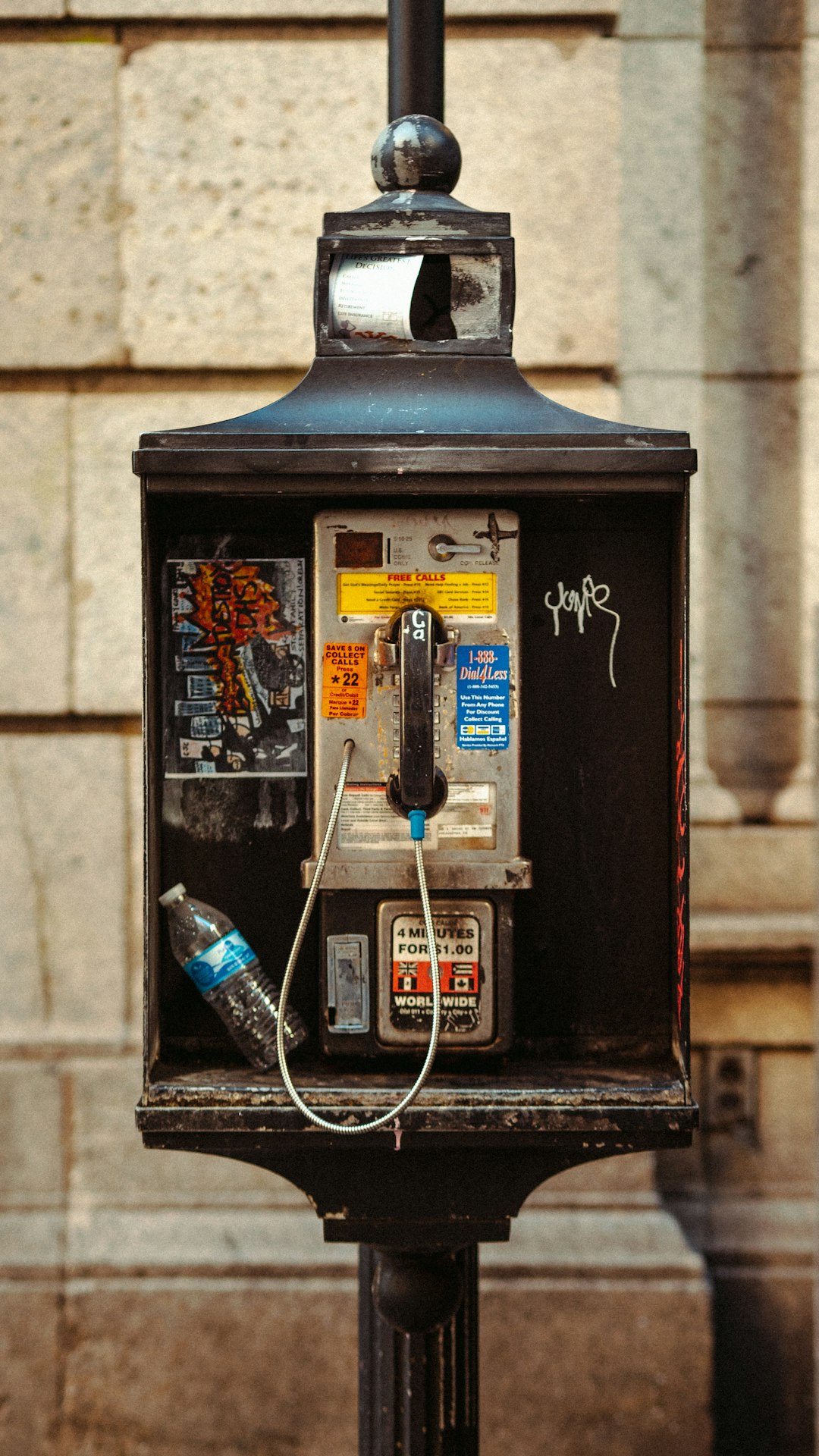
In Minnesota, community efforts to combat robocalls have taken on increased importance as these unwanted calls continue to plague residents. Effective strategies are crucial to protect Minnesotans from spam calls, which can lead to privacy invasion, fraud, and annoyance. Legal experts, including robocall lawyers in Minnesota and spam call law firms, play a pivotal role in this battle, offering guidance under the state's Do Not Call laws. These laws provide individuals with the right to stop receiving unsolicited telephone marketing calls, yet enforcement remains a challenge.
One of the most effective strategies involves educating residents on their rights and options. Many people are unaware that they can register their phone numbers on the Minnesota Do Not Call Registry. This simple step significantly reduces robocalls as it prevents telemarketers from calling registered numbers. According to the Minnesota Public Utilities Commission, over 1.5 million Minnesota residents have enrolled in the registry, demonstrating a collective effort to curb spam calls. Additionally, encouraging individuals to report suspicious or fraudulent calls to local law enforcement and consumer protection agencies can aid in tracking and prosecuting offenders.
Legal professionals specializing in robocall laws in Minnesota offer valuable insights and representation. They advise clients on blocking unauthorized calls, sending cease-and-desist letters, and pursuing legal action against persistent spammers. In recent cases, these lawyers have successfully held telemarketers accountable, securing monetary damages for victims. By combining community awareness with robust legal frameworks, Minnesota residents can better protect themselves from robocalls and ensure their privacy.