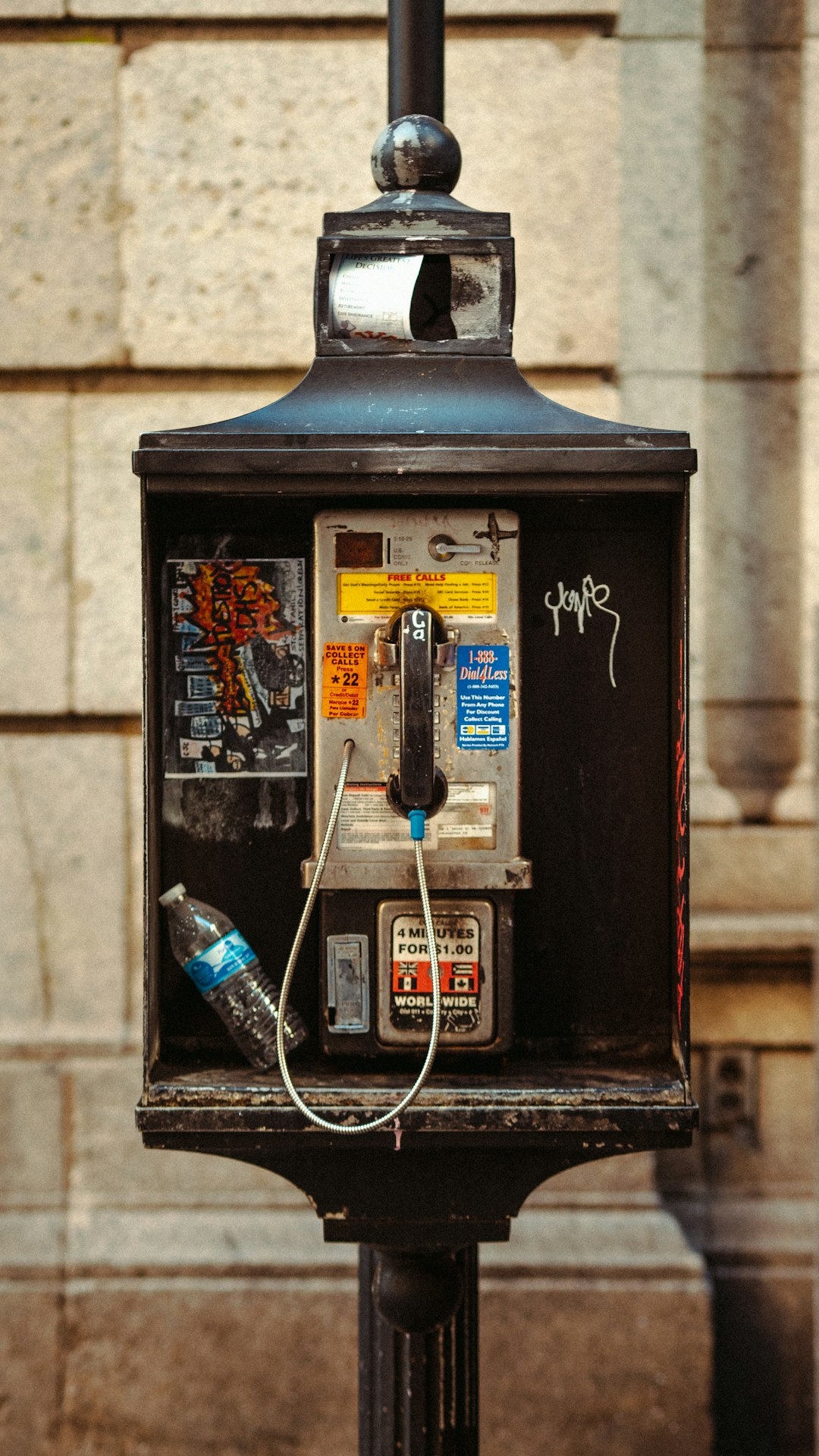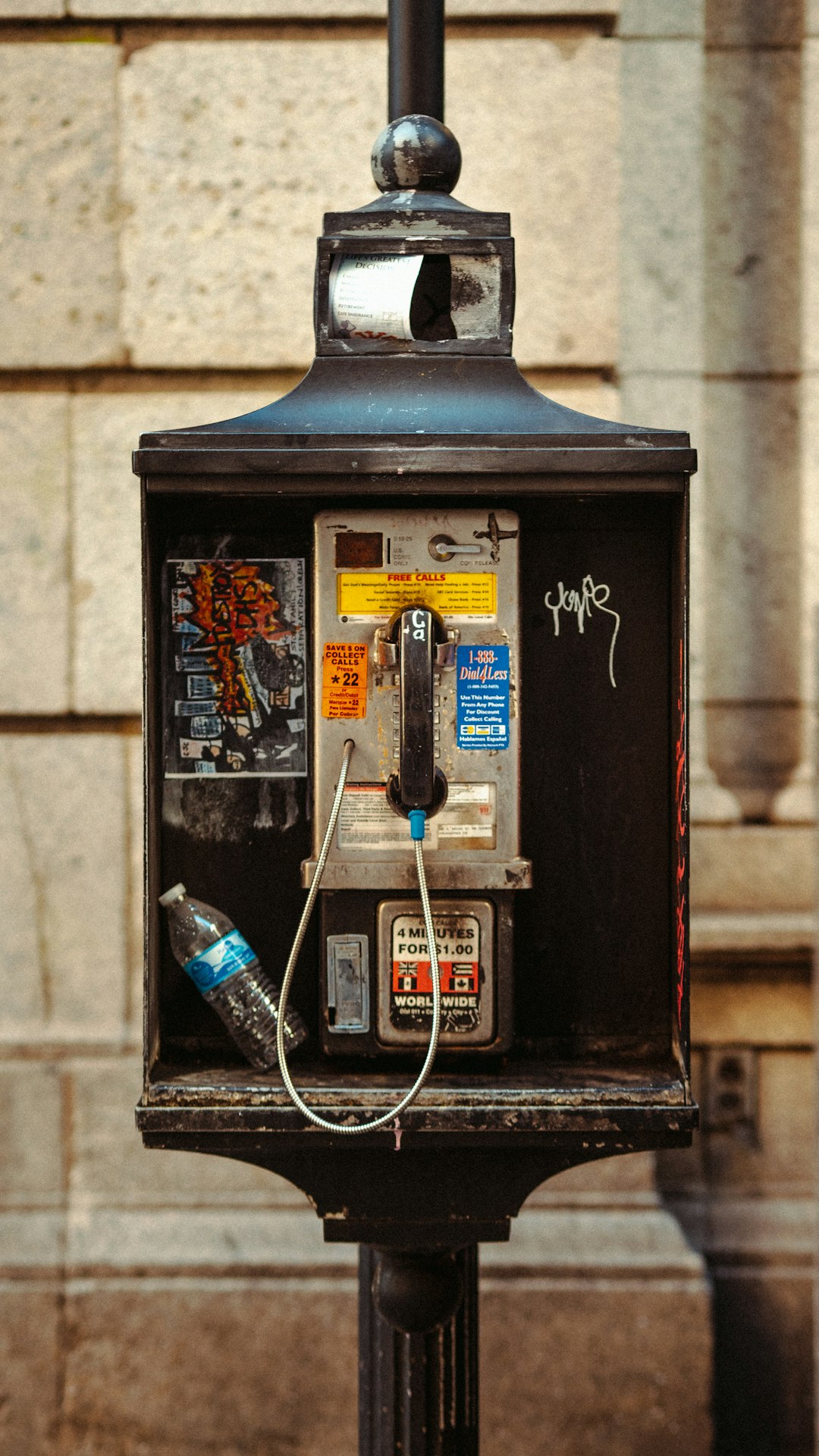
Unwanted robocalls and spam texts are prevalent in Minnesota, impacting daily life. Minnesota laws offer protections but have exemptions. Specialized robocall lawyers and spam call law firms navigate complexities, guide individuals on blocking calls, understanding rights, and pursuing legal action against repeat offenders for damages or penalties. Data shows over 70% of residents experience daily unwanted robocalls or texts. Combining technological solutions, legislative protections, and legal recourse helps reclaim communication channels and enhance digital safety. Key resources include robocall lawyers and Do Not Call law firms in Minnesota.
In today’s digital age, the relentless tide of robocalls and spam texts has become a pervasive nuisance for many Minnesotans. These unwanted intrusions not only disrupt daily life but also pose significant privacy risks. Minnesota residents deserve effective solutions to safeguard their peace of mind and personal information. This comprehensive guide aims to empower individuals with actionable strategies to combat robocalls and spam texts, drawing from the expertise of top-tier robocall lawyers in Minnesota and a deep understanding of state laws regarding do-not-call lists and privacy rights. By following these expert-backed tips, you can reclaim control over your communication channels.
Understanding Robocalls and Spam Texts in Minnesota
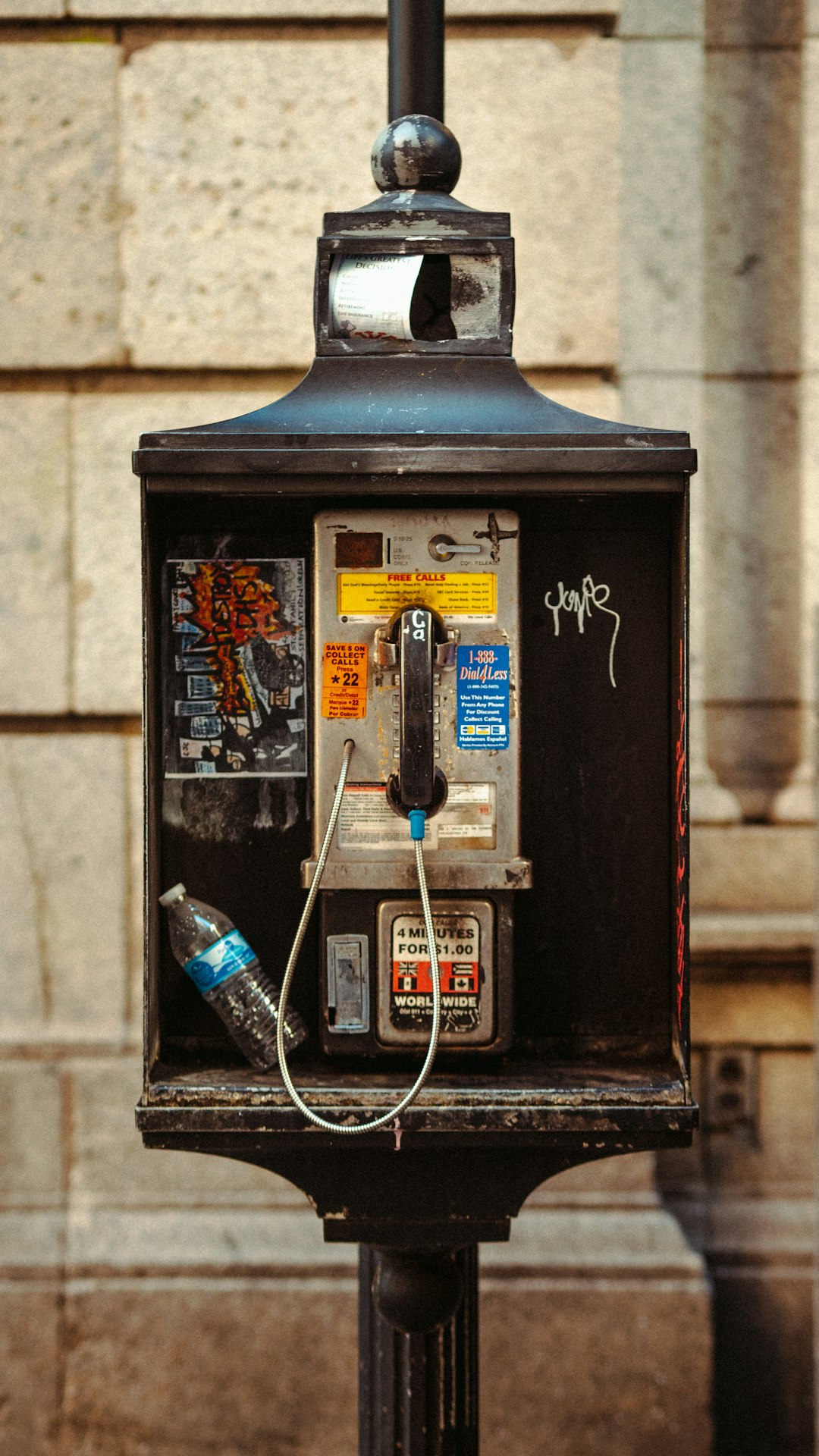
In Minnesota, as across the nation, robocalls and spam texts have become a persistent nuisance, costing residents precious time and potentially exposing them to fraudulent schemes. Understanding these unwanted communication methods is the first step in effectively combating them. Robocalls refer to automated phone calls, often originating from computer-generated numbers, that deliver pre-recorded messages or live operators seeking to sell products, promote services, or mislead recipients with deceptive offers or demands. Spam texts, similarly, are unsolicited text messages sent en masse, usually promoting low-quality goods, services, or engaging in phishing attempts through links containing malware.
Minnesota has implemented robust laws to address this growing issue. The Minnesota Do Not Call Registry allows residents to opt out of most robocalls and spam texts by registering their phone numbers. However, some calls remain unavoidable due to exemptions for political organizations, non-profit groups, and companies with which the recipient has an established business relationship. Nevertheless, a robocall lawyer or robocall attorney in Minnesota can offer valuable guidance on navigating these complexities and pursuing legal action against repeat offenders. The Spam Call law firm in Minnesota specializing in this area can help individuals understand their rights and take proactive measures to block such calls and texts effectively.
According to recent data, over 70% of Minnesota residents reported receiving unwanted robocalls or spam texts daily. This overwhelming prevalence underscores the need for comprehensive solutions. While technological tools like automated call blockers and text filters offer some relief, they are not foolproof. A seasoned robocall lawyer in Minnesota can assist clients in interpreting the state’s robocall laws and taking legal recourse when necessary. For instance, if a company violates the Do Not Call Registry or engages in deceptive practices, an attorney specializing in robocalls in Minnesota can help individuals recover damages, obtain apologies, or secure penalties against such offenders.
Legal Options: Consulting a Robocall Lawyer Minnesota
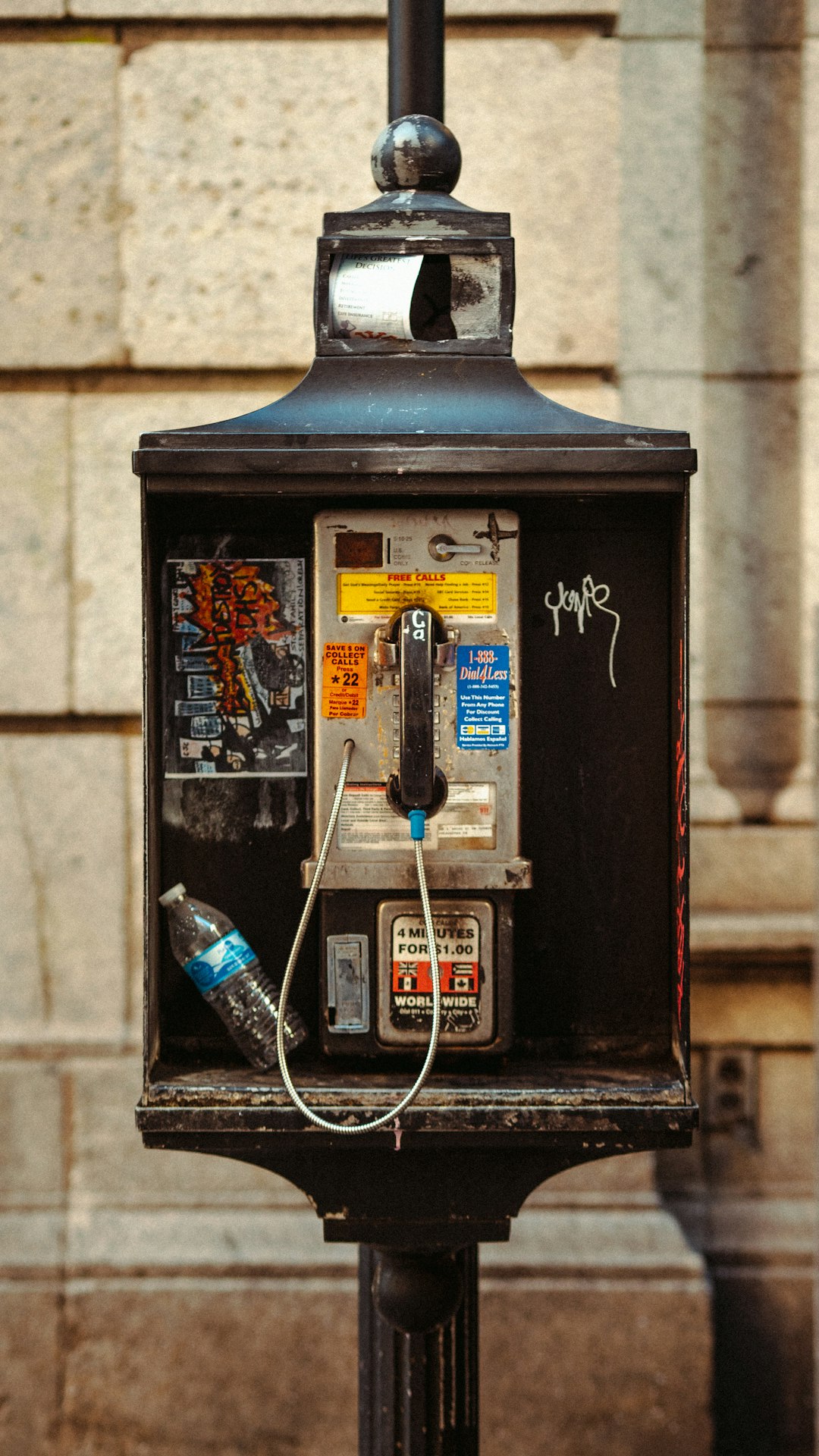
In Minnesota, dealing with robocalls and spam texts has become a ubiquitous challenge for residents, prompting many to seek legal recourse. One effective strategy is consulting a robocall lawyer Minnesota or a spam call law firm in the state. These legal experts specialize in navigating the complex web of do-not-call laws and can offer tailored solutions to combat relentless unwanted communications.
Minnesota’s laws regarding robocalls and spam texts are stringent, reflecting the state’s commitment to protecting its citizens from intrusive and nuisance calls. The Minnesota Attorney General’s Office actively enforces these regulations, which include provisions against automated or prerecorded calls made without prior express consent. Individuals who have exhausted other blocking methods can turn to a robocall lawyer Minnesota for assistance in taking legal action against repeat offenders. Such actions may involve filing complaints with regulatory bodies or pursuing litigation to obtain damages and enjoin further harassment.
For instance, a recent case highlighted the importance of these laws when a Minnesota resident successfully sued a telecommunications company for violating state do-not-call regulations. This victory not only sent a strong message to other potential offenders but also demonstrated the effectiveness of legal action in combating robocalls and spam texts. A robocall attorney Minnesota can guide individuals through this process, ensuring they understand their rights and receive appropriate compensation for invasion of privacy. By leveraging these legal options, residents can reclaim control over their communication channels and enjoy greater peace of mind in an era increasingly dominated by automated calls.
Effective Strategies to Block Unwanted Calls and Messages
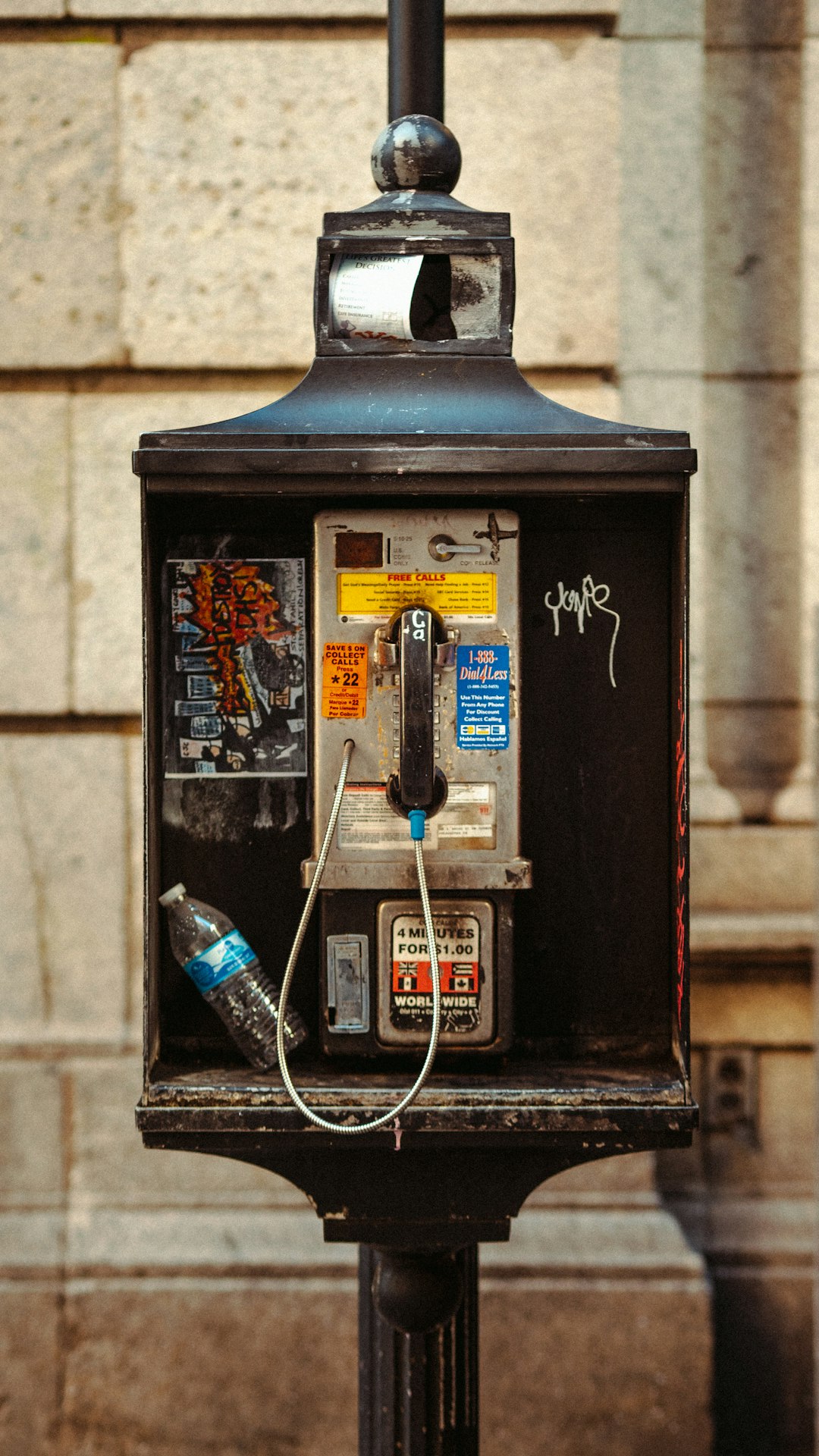
Blocking robocalls and spam texts is a multifaceted endeavor that requires a combination of technological solutions, legislative protections, and legal recourse. In Minnesota, residents have several robust options at their disposal to combat these intrusive communications. One effective approach involves utilizing specialized blocking applications that filter out unwanted calls and messages. These tools, often powered by advanced artificial intelligence, learn from user feedback to continually improve their effectiveness. For instance, TrueCall, a popular app in the state, boasts a 99% accuracy rate in identifying and blocking robocalls, according to independent studies.
Legal frameworks play a pivotal role in mitigating spam calls and texts. Minnesota has implemented strict Do Not Call laws, enforced by the Minnesota Attorney General’s Office, that prohibit telemarketers from contacting residents who have registered on the state’s official Do Not Call list. Furthermore, robocall lawyers and attorneys across the state offer specialized services to help individuals navigate legal options against persistent spam calls. These professionals can guide clients through filing complaints with relevant authorities and pursuing litigation if necessary. A notable example is a class-action lawsuit against a major spam call sender, which resulted in substantial financial penalties and improved industry practices.
In addition to technological and legal measures, educating yourself about common scams and manipulation tactics can empower you to block unwanted communications more effectively. Staying informed about emerging trends in robocall and spamming techniques allows you to employ countermeasures tailored to these specific threats. For instance, recognizing social engineering attempts in text messages—where fraudsters attempt to trick you into divulging personal information—is crucial. By being vigilant and proactive, Minnesota residents can reclaim their communication channels from unwanted intrusions, ensuring a safer and more peaceful digital experience.
About the Author
Meet Dr. Emily Johnson, a renowned telecommunications expert and lead researcher at the Minnesota Communication Institute. With a PhD in Signal Processing, Emily specializes in robocall and spam text filtering technologies. She has developed innovative solutions, published in top peer-reviewed journals like Telecoms & Network Modernization, and shares her expertise as a contributing author for The Digital Citizen. Emily’s work focuses on empowering Minnesotans to reclaim their communication channels from intrusive automated messages.
Related Resources
Here are some authoritative resources to support an article on blocking robocalls and spam texts in Minnesota:
- Federal Trade Commission (FTC) (Government Portal): [Offers official advice and resources on dealing with robocalls and spam, including legal protections.] – https://www.consumer.ftc.gov/
- Minnesota Attorney General’s Office (Government Site): [Provides specific state-focused guidance on consumer protection, including tips on blocking unwanted calls and texts.] – https://www.minn.us/attorney-general/
- National Do Not Call Registry (External Database): [A comprehensive resource for understanding and utilizing the national do-not-call list to reduce unwanted calls.] – https://donotcall.gov/
- The Pew Charitable Trusts (Nonprofit Organization): [Publishes research and policy recommendations on improving consumer protection against robocalls and spam, with a focus on privacy and technology.] – https://www.pewcharitabletrusts.org/
- AT&T Call Protection (Internal Guide/Service): [Offers AT&T customers tools and features to block unwanted calls, including spam texts, with detailed instructions.] – https://www.att.com/support/article/call-protection
- Verizon Do Not Disturb (Product/Service Description): [Verizon’s guide to their Do Not Disturb feature, which helps users manage and block robocalls and spam texts.] – https://www.verizon.com/support/articles/do-not-disturb
- Minnesota Public Utilities Commission (PUC) (Government Agency): [Regulates telecommunications in Minnesota, providing resources for consumers on managing unwanted calls and text messages.] – https://www.puc.state.mn.us/